

 By Paul Cutting October 15, 2026

As cold weather sets in, drafty rooms and high heating bills are usually caused by unseen air leaks, not bad windows. In most midwest homes, the real issue is a constant exchange of indoor and outdoor air occurring through hidden gaps overhead and underfoot.
How to Identify Leaks
When it comes to weatherization, it helps to treat the house as a single connected envelope rather than a series of isolated repair spots. During cold weather, a house acts like a giant chimney, a phenomenon known as the stack effect, where warm air naturally rises and escapes through hidden openings around attic hatches, recessed lighting, closet and door trim, and plumbing and electrical chases. As that air is expelled through the top of the house, it creates negative pressure along the bottom of the house, pulling in freezing outside air through rim joists, sill plates, and foundation penetrations
Air sealing offers a surprisingly high return for oftentimes little upfront cost. EPA estimates show that comprehensive air sealing a home can cut heating and cooling costs by 10-20%. On a $2,000 winter heating bill, that $400 in annual savings is substantial, all the while making floors feel warmer and the house tighter.
Tighten Your Home Where it Pays Off
The good news is that you don’t need a huge budget to make a dent. A few low cost materials like canned spray foam, caulk, and foam gaskets can deliver real results when applied strategically.
The attic hatch: An unsealed attic hatch acts like a leaky door on your ceiling. Weatherstrip the perimeter lip and adhere rigid foam to the back of the hatch to block rising heat.
Basement rim joists: The area where the home’s wood framing interacts with the masonry foundation is vulnerable to air infiltration. Use canned spray foam along floor joists, plates, and corner joints to prevent cold air from being sucked in.
Outlets, plumbing and electrical chases: Uninsulated exterior outlets allow cold air to bypass wall insulation. Unscrew outlet cover plates and install foam gasket cutouts. In the basement, make sure refrigerant AC linesets and electrical penetrations that pass through foundation walls are sealed. And often overlooked are electrical and plumbing chases that run from the basement up through the top of the structure. These act as passages for vertical air movement. Make sure these are sealed, but also give thought to water supply lines, as sealing them can lower temperatures and make those plumbing lines vulnerable to freezing.
Weatherization isn’t always about expensive overhauls, it’s about targeted fixes. If you want to take the guesswork out of finding leaks, attend an upcoming workshop or contact Paul at the Winneshiek Energy District to schedule a home energy audit. Using diagnostic blower door testing, thermal imaging and a smoke pen, we can locate and quantify your home’s exact air leakage, pinpoint high return opportunities, and help you prioritize improvements that make a lasting difference in both comfort and savings.

Don’t miss these

Decorah Community School District Energy Policy: A good news story
Local Partnerships & Expertise Support District Savings & Energy Stewardship A rural Iowa school district might seem to be an unlikely location for interesting work …
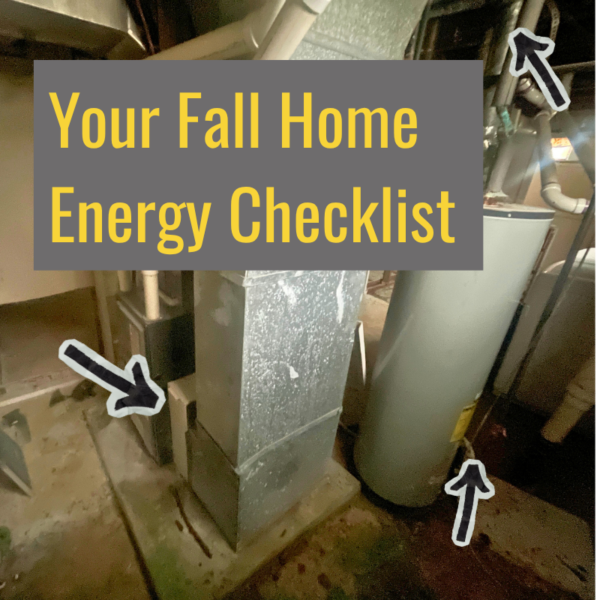
Your Fall Home Energy Checklist
As autumn brings crisp air and cooler evenings, now is an ideal time to prep your home for the upcoming heating season. A few simple …
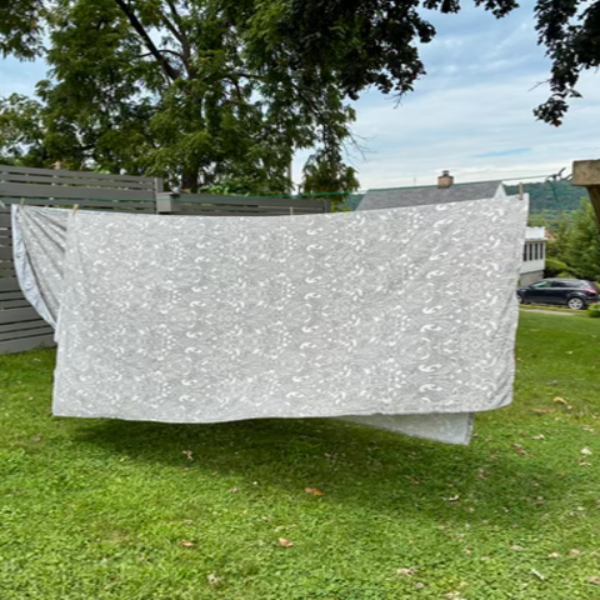
A Fresher Approach to Drying Clothes
When we talk about residential energy efficiency, heating, cooling and insulation usually come to mind. Yet sitting in every home’s utility room is one of …