

 By Kristin Eggen November 26, 2021
This story ran in the October 20, 2021 edition of the Iowa Farm Bureau Spokesman, and is reprinted with permission.
Joel Zook, a certified energy manager and a National Resources Conservation Service (NRCS) technical service provider, says a good place to start is with an energy audit.
“I always recommend getting an energy audit for your farm to take a look at the big picture of all energy uses on your operation,” Zook said.
“The NRCS has cost-share opportunities through EQIP (Environmental Quality Incentives Program) that can help cover the cost of a farm energy audit, as well as cost share for energy saving upgrades, from more efficient heating options, insulation, grain dryers, LED lighting and more,” he added.
Adding insulation
Older shop buildings and heated barns can often benefit from an evaluation of their insulation levels to ensure they are as efficient as possible.
“Attic insulation is usually a great place to start since blown-in insulation can be installed at a reasonable cost,” Zook said. “I recommend insulating building attics to R50, which is about 15 inches of blown cellulose. Increasing attic insulation is a great option for any heated building that currently has less than 8 inches of existing attic insulation.
“Walls can be more difficult to insulate and are often not as cost-effective if they already have some insulation or if adding insulation would require removal of existing siding or an interior finish,” he added.
An often overlooked area is uninsulated concrete stem walls, in either barns or shop buildings, he said.
“Many times, the foundation will be exposed and uninsulated two to four feet above the ground,” he said. “While the framed wall is insulated, the uninsulated base of the wall can lose an incredible amount of heat over the year.
“Closed-cell spray foam is usually a good option to remedy this situation in a retrofit situation,” he added. “Additionally, any heating source that is only 80% efficient could be replaced with a high-efficiency furnace to reduce heating costs by 10% to 15%.”
For homes, Zook said air tightness (or the amount of leaks) can often be one of the largest drivers of heat losses, as well as uncomfortable drafts.
“I recommend a home energy audit from a contractor or home building specialist that can use a blower door to measure and find air leakage areas,” he said. “Air sealing, proper insulation and correctly sized heating equipment are the three key steps (in order of importance) to a healthy, comfortable and energy-efficient home.”
Improved energy efficiency can help farmers and rural homeowners reduce their consumption of propane.
Propane supply outlook
Supplies and costs of propane could be a significant concern this coming heating season, said Jean Bowen, River Valley Cooperative energy business lead in Davenport.
“Many analysts are stating that until U.S. propane is at a price disadvantage to the export markets, we will continue to see concerning inventory levels,” she said. “Of course, the light grain drying season will help alleviate the initial propane surge as we come into the winter season. However, any significant or prolonged cold weather could cause a drain on propane inventory.”
Unlike other fuels during the pandemic, the U.S. propane market demand did not decrease, said Deb Grooms of the Iowa Propane Gas Association. In fact, she said, demand for the fuel increased.
“There was slightly higher demand because people spent more time at home and invested in outdoor living, while restaurants and other businesses adapted to pandemic mandates by using outdoor appliances powered by propane,” she said.
As the U.S. propane industry nears peak demand season for 2021, Grooms said propane supply is currently below the five-year average range.
“This does not mean there won’t be enough propane to satisfy domestic customers, but it is critical that propane suppliers and consumers communicate early regarding needs and adjust their supply plans accordingly.”
Schmitz is a freelance writer from Cedar Rapids.

Love this post?
Sign up for our newsletter.
Don’t miss these
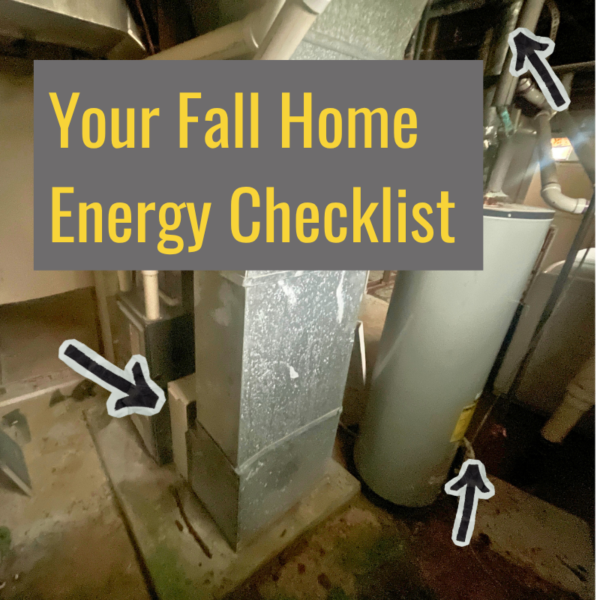
Your Fall Home Energy Checklist
As autumn brings crisp air and cooler evenings, now is an ideal time to prep your home for the upcoming heating season. A few simple …
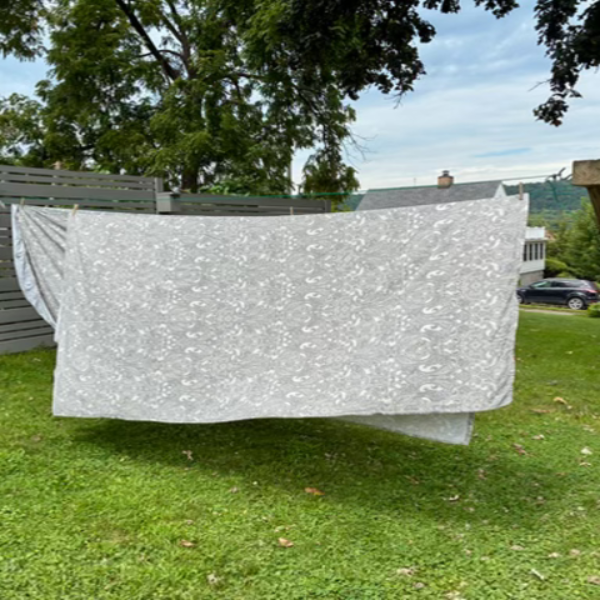
A Fresher Approach to Drying Clothes
When we talk about residential energy efficiency, heating, cooling and insulation usually come to mind. Yet sitting in every home’s utility room is one of …
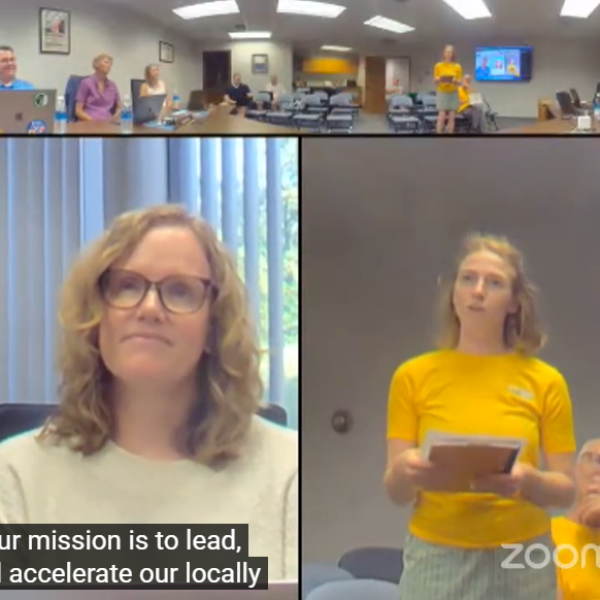
WED Speaks in Support of Energy Committee, Solar at School Board meeting
At the June 13, 2026 Decorah Community School District school board meeting Executive Director Kristin Eggen shares support for creating an ad hoc energy policy …